
Heat Pump with Radiators
Can a heat pump be connected to an existing radiator system? Yes — an air-to-water heat pump works with radiators, but it requires the correct temperature setting and, possibly, larger radiators. Get advice and a price quote.
A heat pump with radiators is one of the most common questions asked by homeowners who want to switch from a gas or wood boiler to a heat pump but don't want to change the whole heating system. The answer is: yes, it's possible — but with some important nuances that affect both efficiency and comfort. This page covers how a heat pump works with a radiator system and what to know before deciding.
Will a heat pump work with radiators?
Yes, an air-to-water heat pump can be connected to an existing radiator system. The heat pump heats water that circulates through the radiators, just like a traditional boiler. This means the existing pipes, radiator valves and circulation pumps usually remain untouched — the heat pump simply replaces the heat source. Read more about the system itself on the air-to-water heat pump installation page.
However, there's one key aspect that distinguishes a heat pump from a traditional boiler: operating temperature. A heat pump operates efficiently only at lower supply temperatures — usually 35–50°C. Gas or wood boilers operate at 70–80°C. This difference is the main issue that needs addressing when planning a heat pump for a radiator system.
Temperature differences
The main challenge when installing a heat pump with existing radiators is the temperature difference. Traditional boilers heat water up to 70–80°C, while a heat pump operates efficiently at 35–50°C. A lower supply temperature means each radiator releases less heat per square meter — so to achieve the same heat output, the radiator area needs to be larger.
Radiator size
Will the radiators need to be replaced? The answer depends on the size and type of the existing radiators. If the existing radiators were designed for a 70–80°C supply temperature, they may not release enough heat at 45°C. In these cases, the radiating surface may need to be increased — replaced with larger models or supplemented with additional radiators.
Modern steel panel radiators with convection fins are considerably more efficient than old smooth cast-iron or steel models. They transfer more heat per square meter of surface, even at lower supply temperatures. A specialist will calculate the required radiator size during a site visit, based on the existing system's parameters and the planned supply temperature.
Cast-iron radiators
Cast-iron radiators are surprisingly well suited to heat pumps. Although they look old-fashioned, their construction is exactly what a low-temperature system needs: high water volume and large thermal mass. Cast-iron radiators retain heat longer after the heat pump switches off and provide a more even heat release.
In old houses with cast-iron radiators still in good condition, replacing them isn't mandatory. A specialist will assess whether the existing cast-iron radiators can stay or whether additional heat-emitting surface is still needed. This significantly reduces heat pump installation costs in old houses.
Flow-temperature optimization
Correctly setting the flow temperature is critical for a heat pump with a radiator system. Too high a temperature — the heat pump loses efficiency and consumes more electricity. Too low — the home doesn't heat up to the desired comfort level. Unlike traditional boilers, which usually operate at one fixed temperature, heat pumps use weather-compensation control.
Weather compensation automatically adjusts the supply temperature according to outdoor temperature. On colder days the system delivers warmer water, but in milder conditions — cooler, which lets the heat pump maintain high efficiency all year round. This control is one of the main reasons why heat pump installation must be professional and include proper control-setting configuration.
Hybrid systems
In homes where the existing radiators can't fully heat with low-temperature water on the coldest days, the solution is a hybrid system. A hybrid system combines a heat pump with a backup heater — for example, a gas boiler, an electric boiler or a wood boiler. The heat pump works as the primary heat source for most of the season, but the backup heater switches on only on the coldest days or at peak load moments.
Modern control systems switch between heat sources automatically, based on outdoor temperature, energy prices and system efficiency. This ensures you always get the most efficient heat, without changing comfort. A hybrid system is especially suited to older homes with high heat losses, where a heat pump alone couldn't provide the full heating load.
Submit your request to get a price quote from our specialist in your region. The specialist will assess your existing radiator system, recommend the optimal supply temperature and, if needed, suggest a hybrid system solution. Our specialist will contact you directly.
How does the service work?
- ✓Free request
- ✓Our specialist in your region
- ✓Price quote after a site visit
- ✓Your data is safe with us
Frequently asked questions
See also
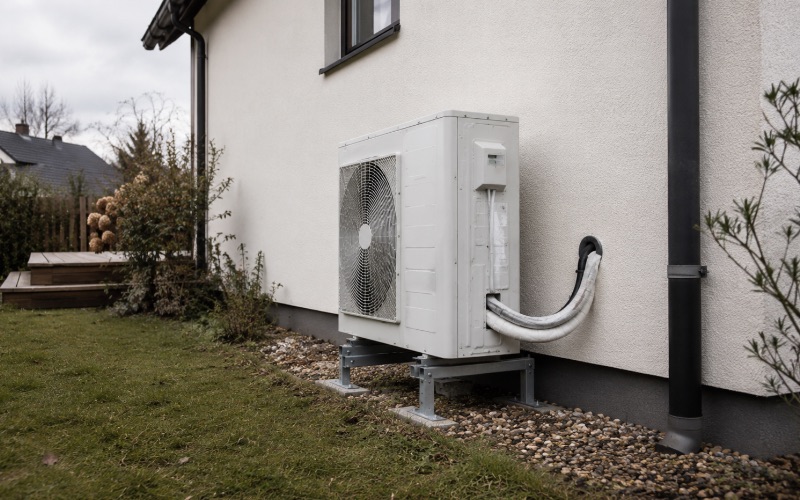
Air-to-water heat pump installation
Heat pump for a radiator system — the main page on air-to-water systems.
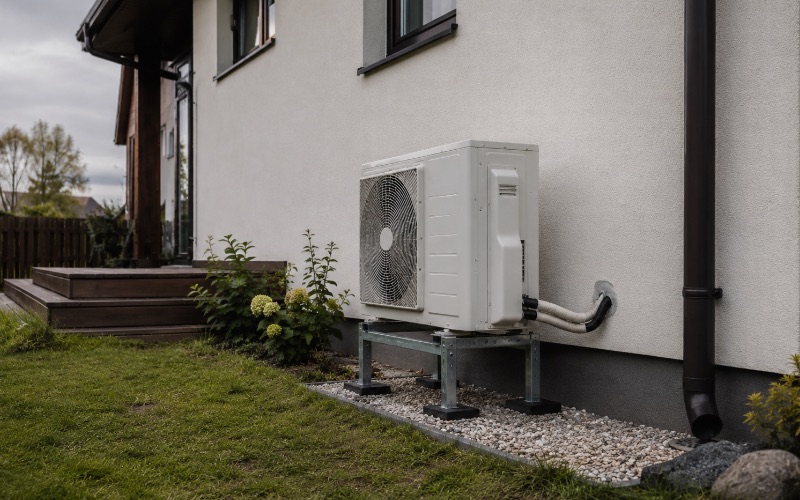
Heat pump for an old house
For retrofitting — replacing an existing heating system with a heat pump.
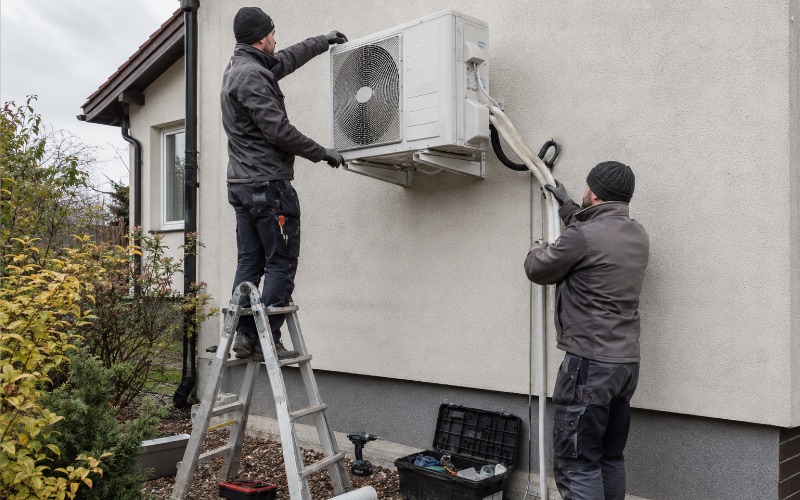
Heat pump installation price
Detailed cost factors and indicative prices for different systems.
Heat pump with radiators — interested?
We'll be in touch within 5 minutes of you submitting the form!